
Dust Management Plan
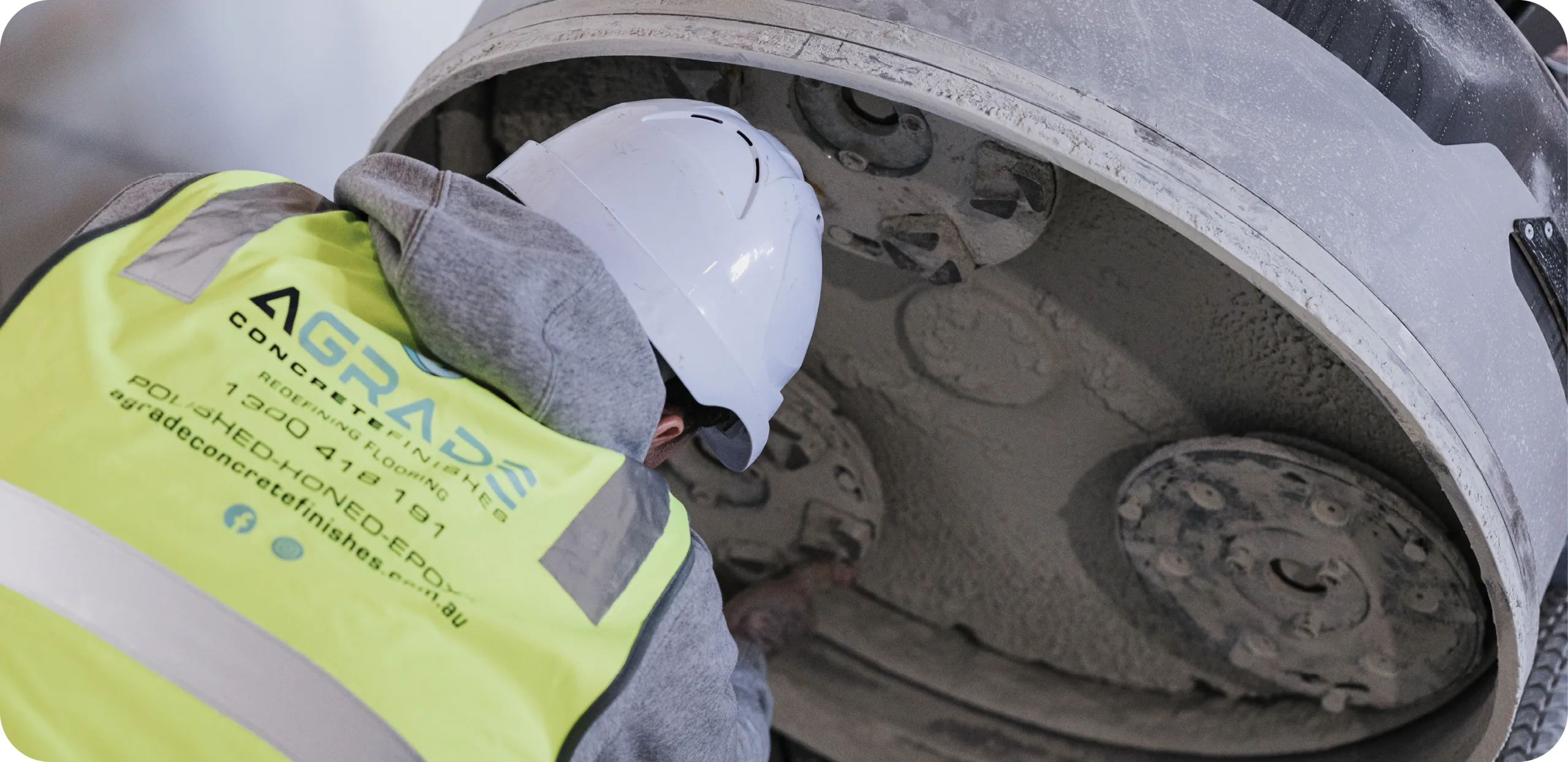
Understanding Silica Dust
Concrete contains crystalline silica — a naturally occurring mineral found in sand, stone, and cement. When concrete is cut, ground, drilled, or polished, it releases extremely fine airborne particles known as respirable crystalline silica (RCS). These particles are microscopic and can be inhaled deep into the lungs without any immediate signs
of irritation.
Why Silica Dust Is Dangerous
Respirable silica dust can lead to serious long-term health conditions, including:
• Silicosis — permanent scarring of lung tissue
• Lung cancer
• Chronic obstructive pulmonary disease (COPD)
• Kidney and autoimmune diseases
Even short-term exposure can be harmful if effective controls are not in place. Silica dust is one of the most regulated hazards in the construction industry due to its severe health impacts.
How Exposure Happens
Silica dust becomes airborne during tasks such as:
• Grinding or polishing concrete
• Cutting, drilling, or chasing concrete surfaces
• Removing coatings, adhesives, or surface materials
• Dry sweeping or disturbing settled dust
Without proper controls, dust can travel through open areas, settle on surfaces, and remain hazardous long after work has finished.
Our Silica-Safe Control Measures
A Grade Concrete Finishes operates under a strict silica management framework aligned with Australian WHS legislation and industry best practice. Our systems ensure that both our team and your site remain protected throughout the mechanical polishing process.
Our Core Silica Control Measures
H-Class Dust Extraction: All grinders and hand tools are fitted with on-tool extraction units using H-class HEPA filtration to capture dust.
Enclosed or Isolated Work Zones: Exclusion zones, barriers, or temporary containment prevent dust migration into occupied areas.
PPE – Respiratory & Personal Protection: Our team uses P2 or P3 respirators, eye protection, hearing protection and protective clothing.
Safe Work Method Statements (SWMS): All silica-related tasks are carried out under detailed SWMS outlining hazards, controls, and emergency procedures.
Air Quality & Visual Monitoring: Air monitoring or visual inspections are conducted when required to verify control effectiveness.
Equipment Maintenance & Compliance: Extraction units, filters, and tooling are regularly inspected, cleaned, and maintained.
Worker Training & Competency: All personnel are trained in silica awareness, safe operating procedures and correct use of dust-control equipment.
Our Commitment
A Grade Concrete Finishes is committed to delivering high-quality mechanical polished concrete systems while maintaining the highest standards of safety, compliance, and environmental responsibility. Our silica-safe approach ensures your project is completed efficiently, professionally, and with full consideration for the health of everyone on site.